
Gwynedd Voluntary Sector Fund
Lead Organisation:
Mantell Gwynedd
Area:
All areas of Gwynedd
Investment Priority:
Community and Place
Investment: £1,559,830
What's the background?
Mantell Gwynedd is the leading organisation supporting voluntary activity in Gwynedd, and is part of the Wales Council for Voluntary Action. Its mission is to empower community groups and voluntary organisations, encouraging individuals to volunteer across the county.
Mantell Gwynedd established a dedicated grant fund to support third sector organisations. The aim of the fund was to:
- strengthen social texture by increasing collaboration and local contacts.
- foster a sense of community pride by running projects that reflect the identity and culture of Gwynedd.
- promote sustainability by investing in organisations that provide essential services to local communities.
What was the support?
Grants of between £2,000 and £250,000 were offered to support organisations that would lead to an improvement in the quality of life of Gwynedd's residents and communities. 36 organisations were successful in obtaining a grant for a range of projects including:
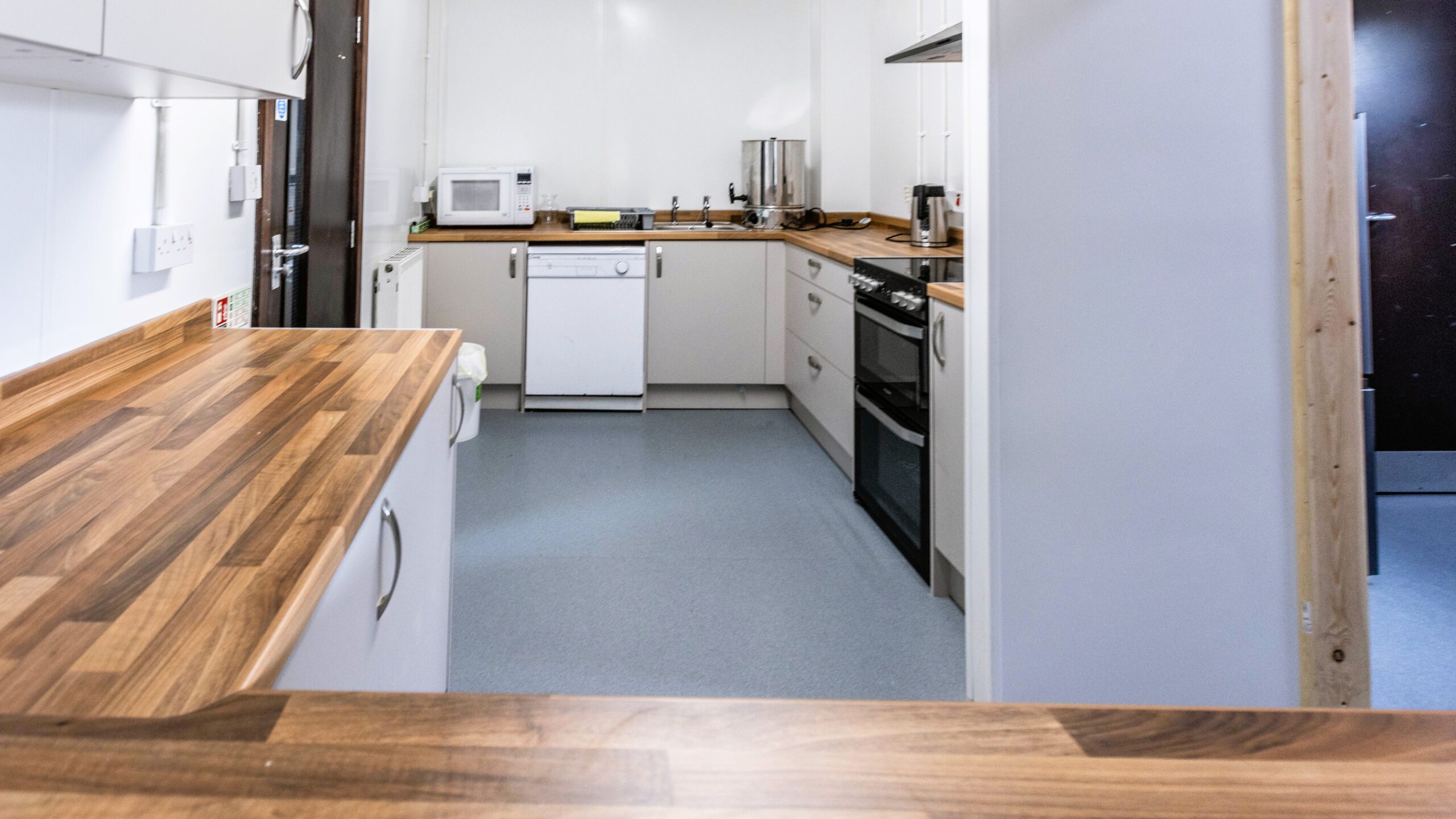
- Improving and modernising community centres
- Providing new equipment to local sports clubs
- Employing activity co-ordinators to facilitate events and increase community participation.
What difference has this made?
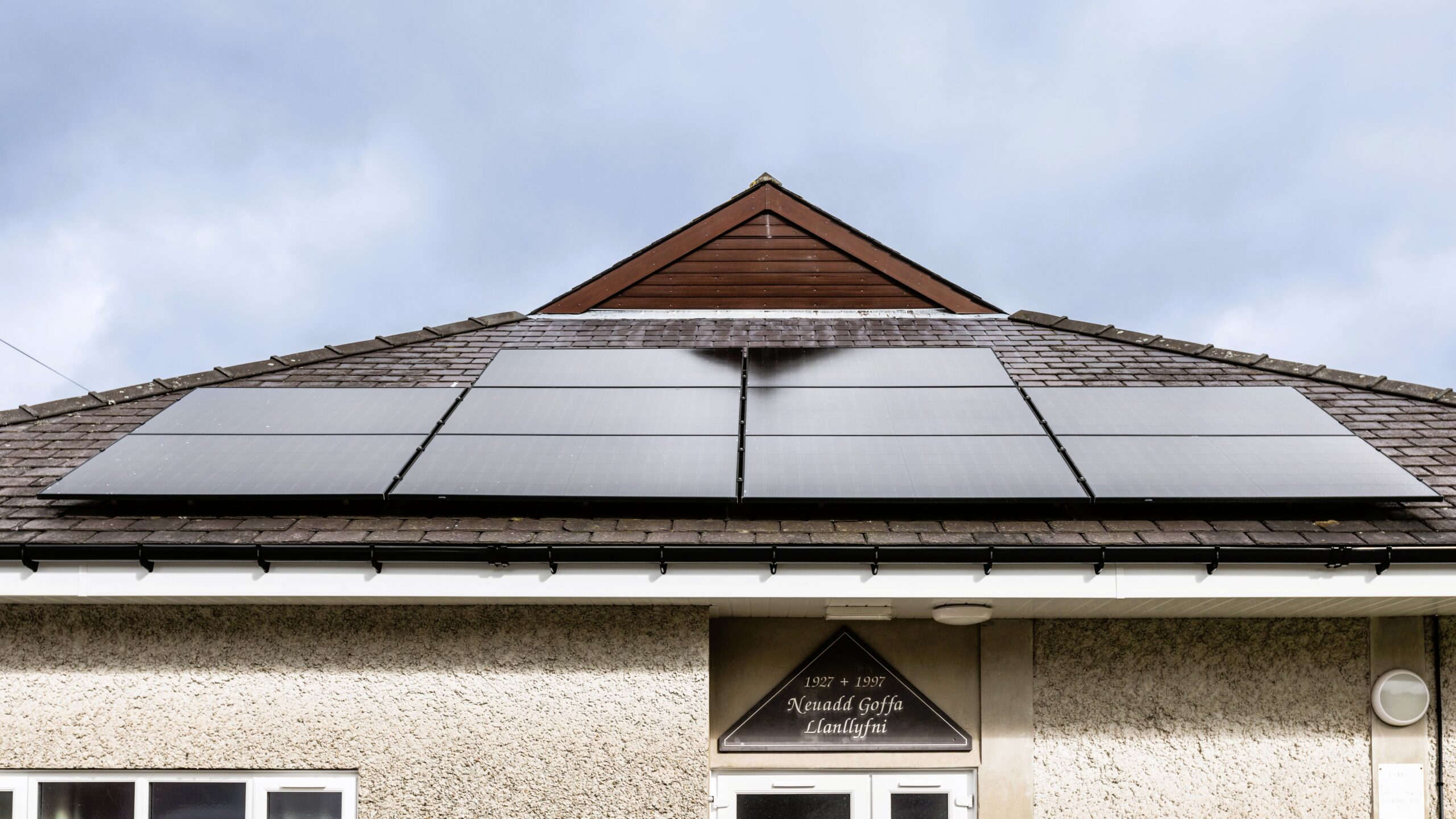
40 community spaces were improved, including Tywyn Baptist Chapel, Llanllyfni Memorial Hall, Talysarn Social Centre, Rhiwlas Hall, Carmel Hall, Caernarfon Football Club and Dolgellau and Pwllheli rugby clubs. Improvements to community buildings will result in improved energy efficiency and lower running costs.
Nearly 400 local activities have been supported, which has made a difference to nearly 4000 residents of the county, and as a result, an additional 1,387 people are making use of the community resources that received funding.
The successful organisations had to work tirelessly to complete a huge range of community activities and developments. The swift action is evidence of exceptional community resilience in Gwynedd.
Bethan Russell Williams
Chief Officer Mantell Gwynedd
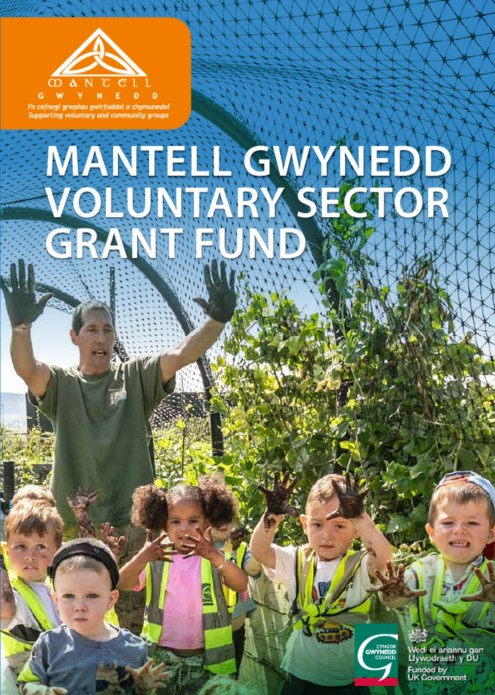
Learn about all the projects
funded in this booklet:
Discover inspiring stories from communities and individuals who have benefited from the fund:

Case Study:
Canolfan Gymdeithasol Bro Ffestiniog
What's the background?
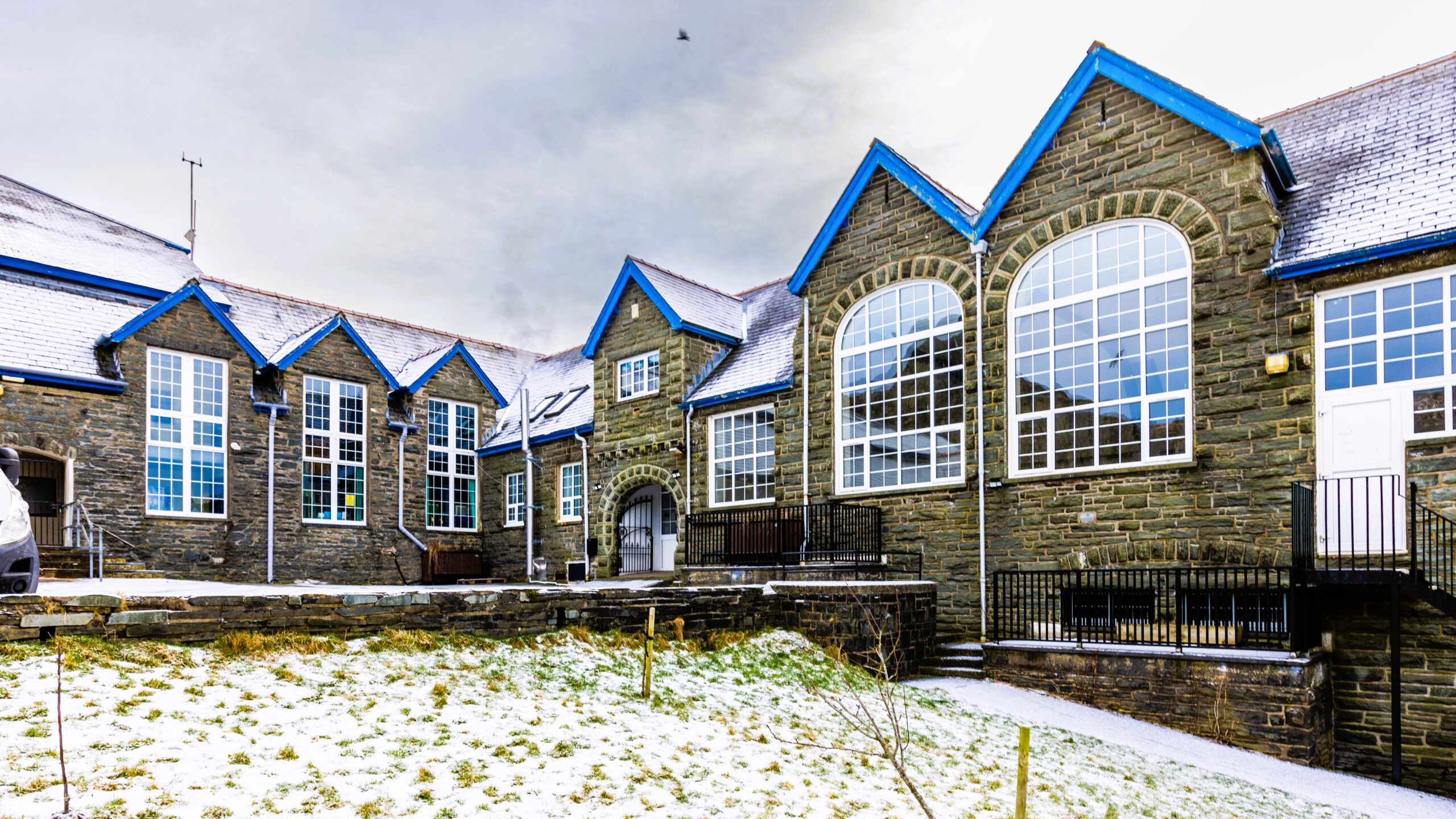
Canolfan Cymdeithasol Bro Ffestiniog is a local community centre and gym in Gwynedd which was established in June 1973. They offer community services and projects, and rooms available to hire to the community.
What was the support?
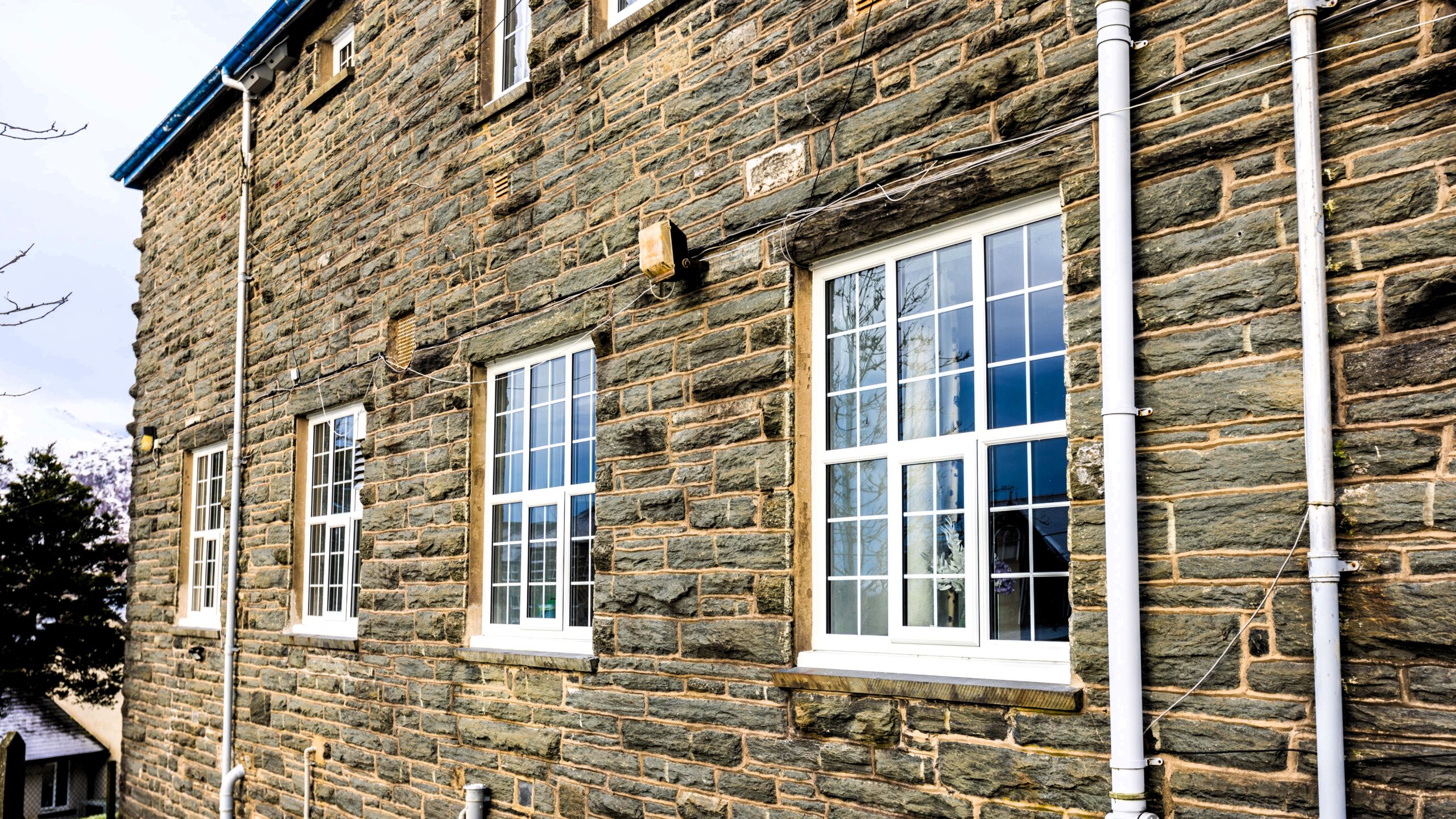
The centre received a grant from the Voluntary Sector Fund to upgrade the doors and windows to double glazing and install a new boiler to replace the heating system. The main objectives of the project were to improve energy efficiency and reduce fuel bills, and improve the comfort levels of the centre's users.
What difference has this made?
The building is now more sustainable thanks to the installation of a new boiler and the upgrades of the windows. As a result of these improvements, it is anticipated that the centre will save around £5,000 per annum in energy costs. This not only reduces the financial burden, but also contributes to reducing the carbon footprint of the community.
The recent improvements have sparked a new sense of pride among local residents. More people are keen to take part in activities, seeing the centre as a welcoming and modern place. The sense of belonging has strengthened, making the centre an important social venue.
Individuals have reported feeling less lonely, as the centre now offers a comfortable environment where they can socialise on a regular basis. The improvements have encouraged people to stay longer during sessions, creating natural opportunities to build new friendships and community connections

The building looks great - a modern-looking building.
The centre has a warm, family atmosphere shared by those who use it every day.
The centre is a place where people and small community groups can come together in a safe, shared space.
There is a strong sense of community at the Centre these days.
Being able to take part in activities at the centre is great for my mental health.
Case Study:
Arfon Foodbank
What's the background?
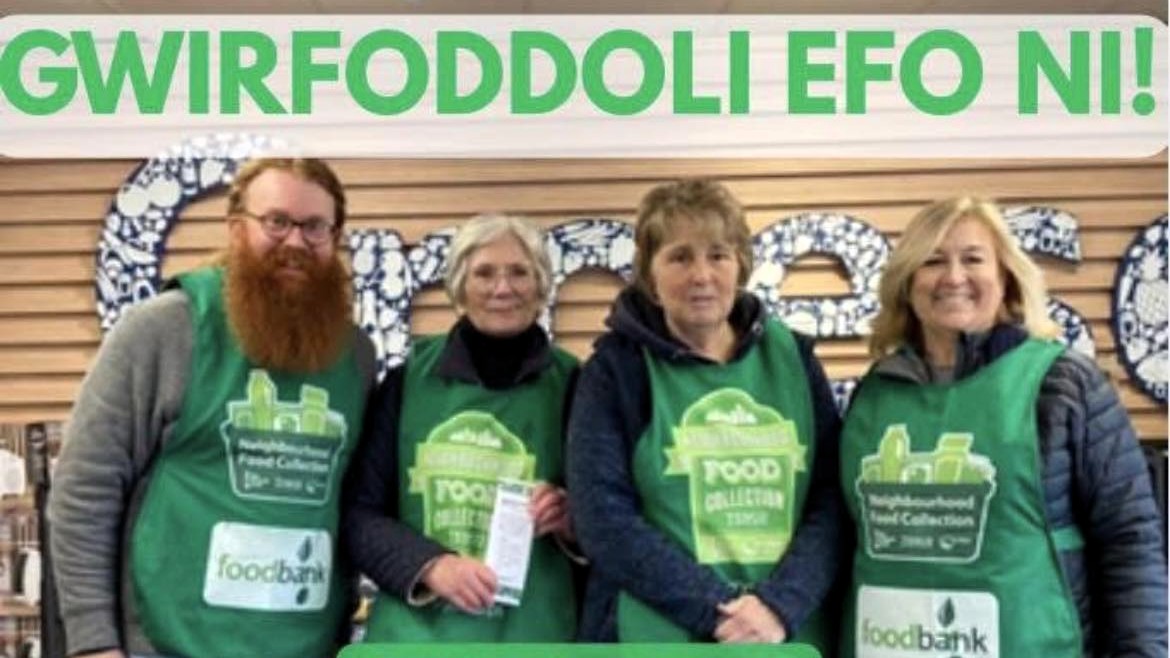
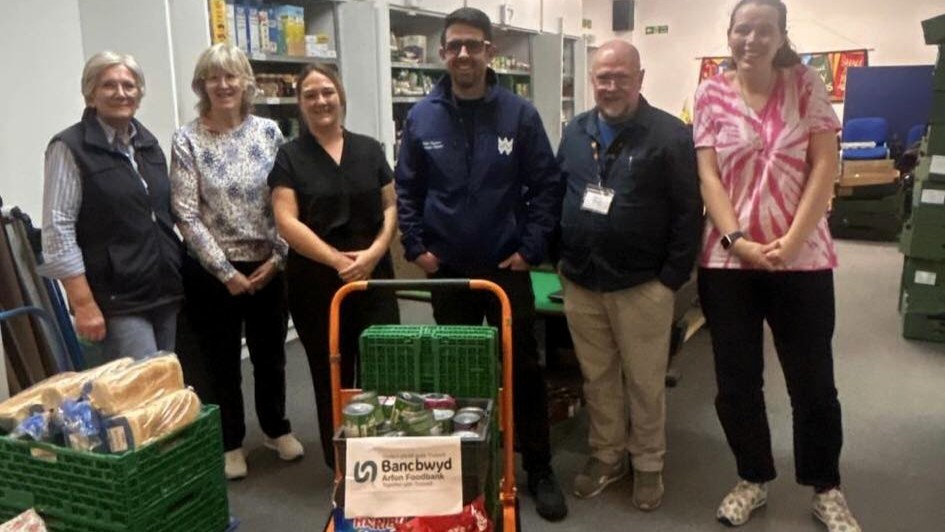
The Arfon Foodbank was established in 2012 by local churches and community groups to tackle food poverty in Arfon by providing parcels of food to individuals and families facing a crisis and unable to buy food.
- The food bank is open twice a week.
- It relies on donations from individuals, churches, supermarkets, and local organisations.
- The operating model is based on volunteers, ensuring that support is available to those most vulnerable.
In addition to providing food, Arfon Foodbank offers practical and inclusive support to the community, which includes a financial inclusion programme in partnership with Citizens Advice Gwynedd. Emotional and social support is also provided by the volunteers, creating a welcoming, non-judgemental environment that encourages people to feel safe and valued.
Demand for the service has increased significantly due to economic factors and the cost-of-living crisis. Currently, 30–45 volunteers give their time to the food bank each week, and more volunteers are needed to meet the growing demand for services from visitors.
What was the support?
Gyda chefnogaeth y Gronfa Sefydliadau Gwirfoddol cyflogwyd Cydlynydd Gwirfoddolwyr i wella recriwtio, cadw a chefnogi gwirfoddolwyr. Mae’r Cydlynydd wedi chwarae rôl allweddol drwy greu systemau ar gyfer trefnu sifftiau, cynnal digwyddiadau rhwydweithio, a sicrhau bod gwirfoddolwyr yn cael eu paru â rolau sy’n cyd-fynd â’u sgiliau.
What difference did the support make?
The volunteer experience has improved significantly since the introduction of the role of the Co-ordinator:
- The co-ordinator listens to their opinions and gives volunteers a voice in the process.
- A new system has been put in place that enables volunteers to record and change the days they may be working or available, giving them greater flexibility and control over their contribution.
- This has led to a stronger sense of appreciation and commitment among the volunteers.
The core management team has benefited from the Co-ordinator's support:
- Increase capacity to manage the operations of the food bank more effectively.
- Reduce stress by sharing the daily workload and co-ordinating tasks.
- Free up time to focus on strategic work, such as preparing funding applications and developing long-term plans.
The support from the Co-ordinator has strengthened the leadership structure, ensuring that Arfon Foodbank is better able to respond to the growing demand and continues to provide an inclusive and sustainable service to the community.
Volunteer Story
Volunteer 'A' is retired and has been volunteering at the food bank for three years. During this time, he has packed food parcels twice a week and made many new friends.
The Co-ordinator has recently moved them to the office where they arrange the food parcels. Being part of the office team aligns better with their experience and skills, giving them the opportunity to contribute more effectively. The volunteer feels that the Co-ordinator is very easy to approach and willing to listen, which makes the volunteering experience more positive and less stressful.
The volunteer has noted several improvements the Co-ordinator has made:
- Standardisation of processes has simplified and increased efficiency where possible.
- There is a better balance in terms of resources, people management, and time management.
- The Co-ordinator spends time with the volunteers listening to ideas and making changes to enrich their experiences.
As a result of these changes, volunteers like 'A' feel more valued, empowered and proud of their contribution. The experience goes beyond volunteering in practice – it fosters a sense of belonging and a stronger connection to the community.

Case Study:
Hafod Ceiri Café, Llithfaen
What's the background?
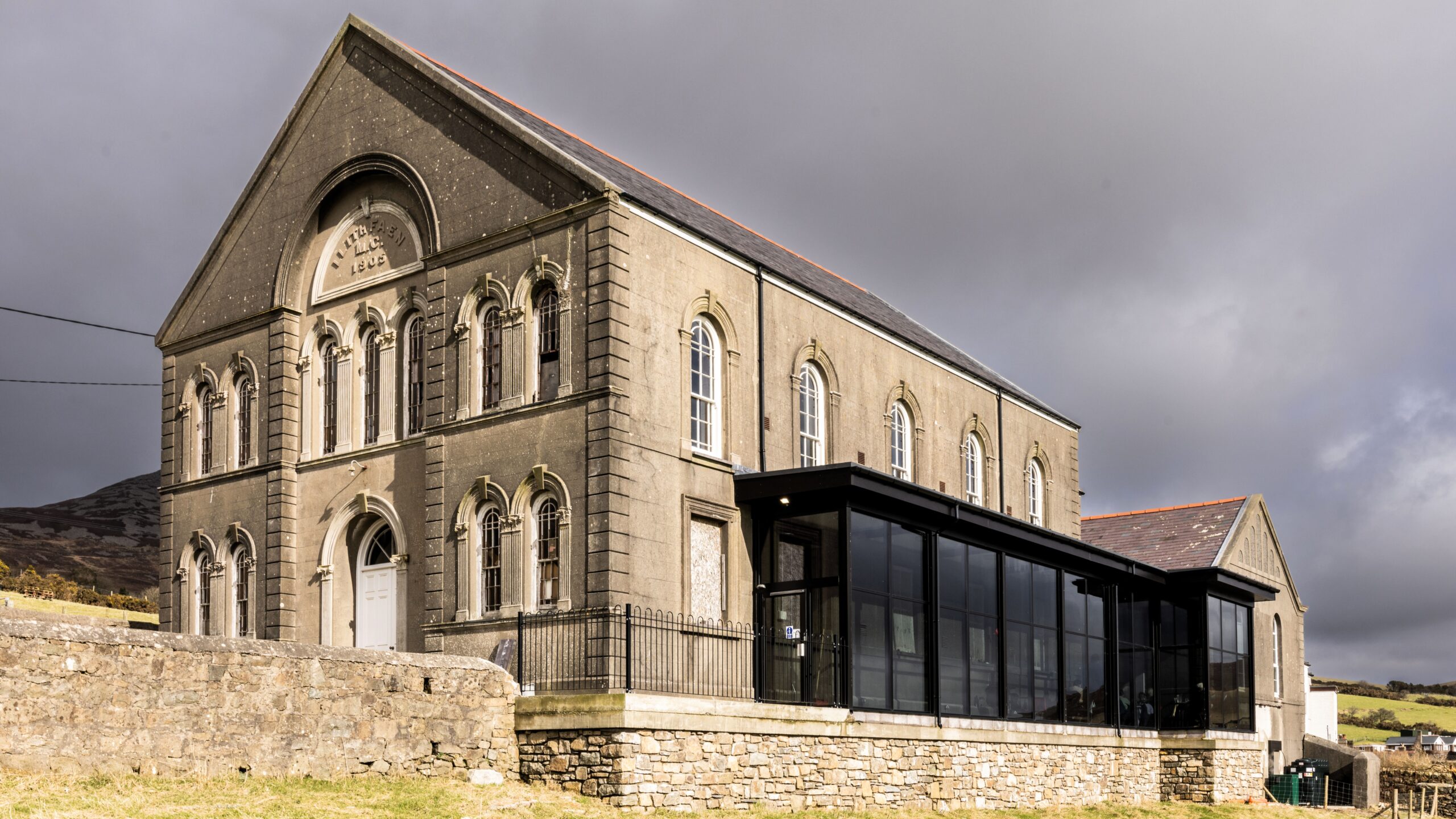
Hafod Ceiri was set up as a charitable company to transform the historic Capel Isaf building in the centre of the village of Llithfaen into a community and heritage centre. The plans included the development of a community café, auditorium, cinema, business units and accommodation. The first step was to establish the café, as a place to offer community activities.
What was the support?
Hafod Ceiri was awarded a grant to fund the construction and furnishing of the café and is now a welcoming place for local residents to pop in for a panad.
What difference did the support make?
By restoring a historic building to create Hafod Ceiri Café an entire community has been revitalised by creating opportunities for volunteering and socialising, which responds to local problems such as loneliness and lack of work opportunities.
The project also responds to local problems such as loneliness, lack of work opportunities, and declining community use of the Welsh language. Since opening the café local residents have reported feeling less lonely, feeling part of a community, and having better mental and physical health. In addition, the café contributes to maintaining the Welsh language as a community language, creating a space for people of all ages to come together, share stories, and maintain a local identity.
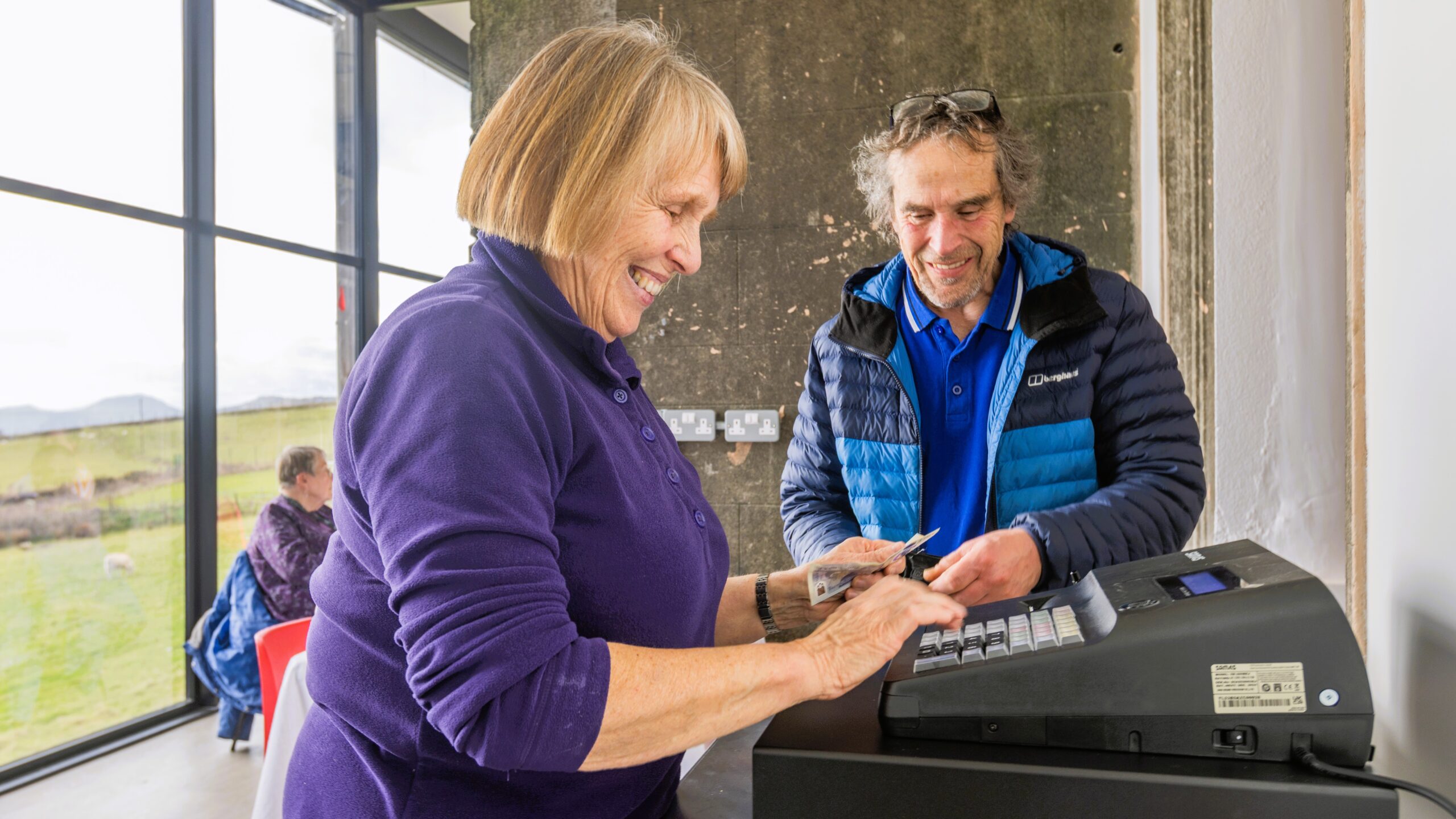
The café is an accessible place during the day, unlike pubs or malls that are open occasionally or only in the evenings. About 150 local residents are now using the space in different sessions.
20 volunteers have been trained to help run the café in various roles, and activity sessions have been arranged. The café offers a daily venue for volunteers to attend for helping with the catering and offering pancakes, and then later to help with activities such as art clubs, reading, fitness, yoga and walking.

We need a welcoming place to drop in for a panad and a chat, with a local community spirit.
Helping to improve the village gives me a sense of purpose.
Because it’s in Llithfaen itself, it's local and you see people you know.
The café could provide job opportunities in the village, especially for young people.

Case Study:
Meithrinfa Oasis Nursery, Barmouth

What was the support?
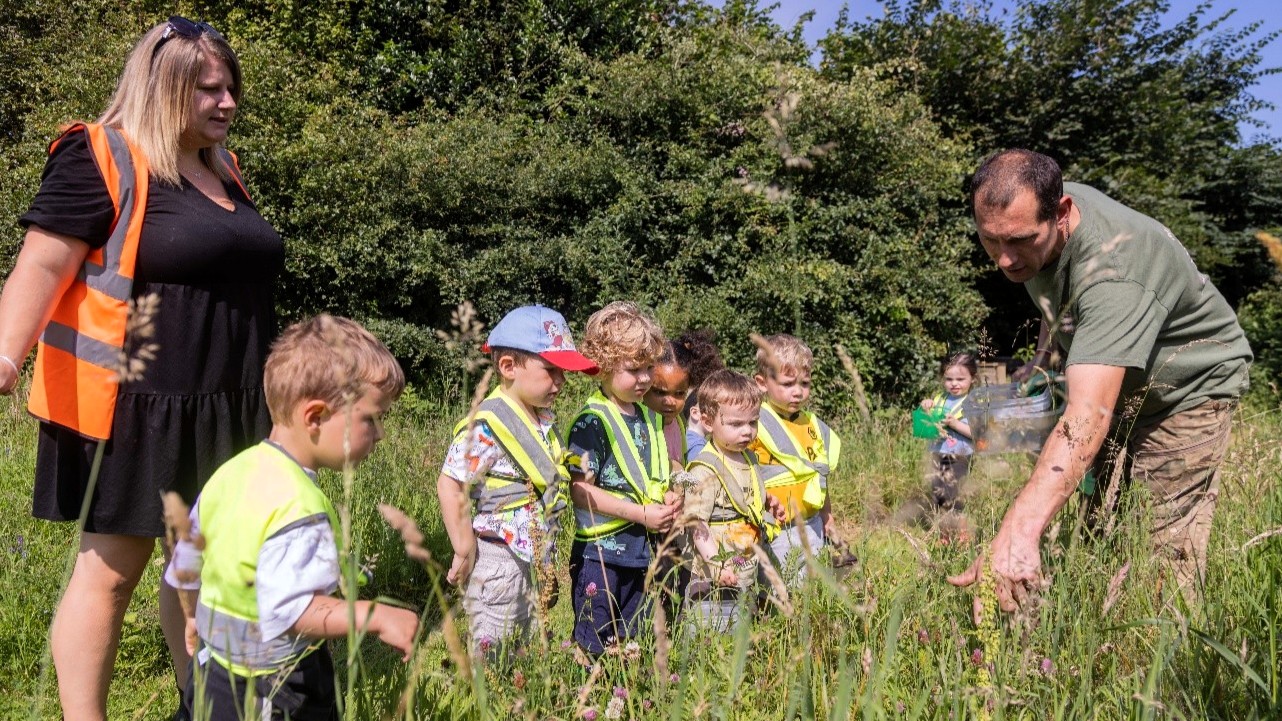
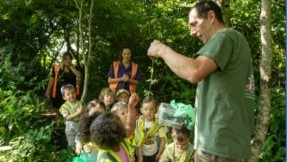
Meithrinfa Oasis Nursery in Barmouth received a grant from the Voluntary Sector Fund for the development of a forest school with the children who attend the community garden. The Forest School at Wern Mynach, a reclaimed area within Barmouth, was developed by a community group to provide a natural, safe and welcoming area for everyone to enjoy.
What difference did the support make?
The project has sparked the children's interest in nature and sparked curiosity in their natural environment. The activities have supported play in research and risk-taking and have developed confidence and self-esteem through hands-on experiences in a natural setting.
The children have really enjoyed taking part in the forest school and many parents have been asking more questions about the sessions and the area used. Many parents have given written support to the sessions and noted how well their children have grown in knowledge and understanding of their environment and nature and wish to be out exploring it.
Faye Bentham
Meithrinfa Oasis, Barmouth